
How to Choose the Right Drywall Profile?
Choosing Drywall Profiles in Modern Interior Design Aesthetics and functionality go hand in hand in interior design. However, just as important as how stylish a space looks is how sturdy the framework that supports that style is.
This is where drywall profiles come into play. These hidden heroes of drywall systems provide safety in every area, from suspended ceilings to partition walls.
Drywall Profile Types and Applications Knowing which profile to use where when starting a project saves money and extends the life of the structure. The profiles commonly used are: - Ceiling Profiles (TC and TU): Used to carry the load and create a smooth surface in suspended‑ceiling applications.
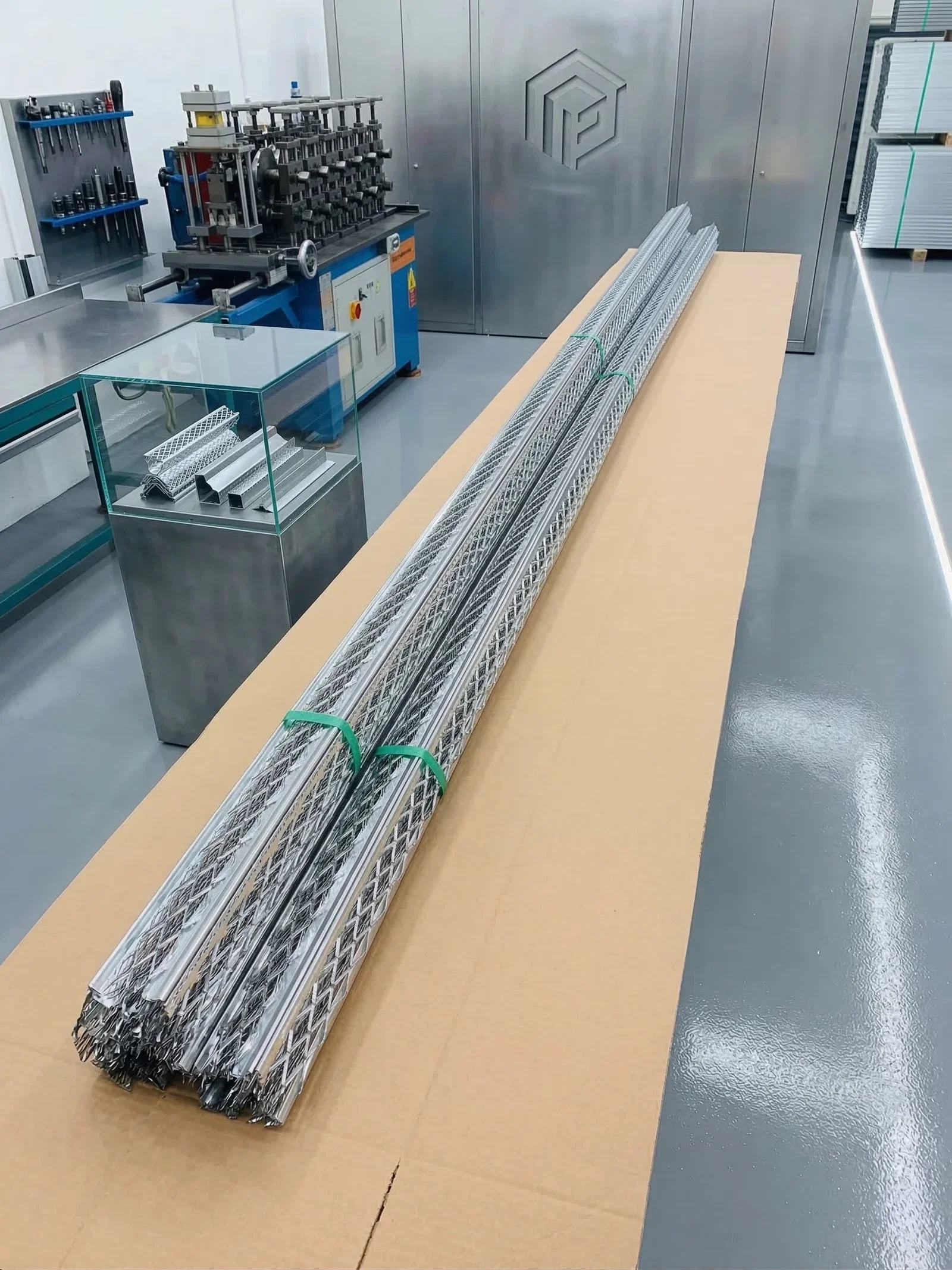
- Wall Profiles (DC and DU): Serve as vertical and horizontal supports in partition‑wall construction. - Corner Profiles: Essential for protecting drywall corners from impact and achieving sharp edges.
What Are the Features of a Quality Profile? As HC Drywall Profile, the most important criterion we focus on in production is the quality of the galvanization coating.
A profile that is not resistant to rust will corrode over time due to moisture and can cause the system to collapse. Additionally, the metal plate thickness must meet standards; otherwise, screw‑holding capacity decreases and sagging occurs.
Things to Pay Attention to During Installation Even if the correct profile is chosen, installation errors can reduce the system’s performance. The spacing of the profile rails (usually 60 cm) must be calculated correctly based on the weight of the drywall sheet to be used.
If sound insulation is desired, sound‑proofing tape must be applied between the profile and the existing wall. In conclusion, a solid interior starts with a quality profile system.
You can contact our expert team to choose the profile that fits the details of your project.